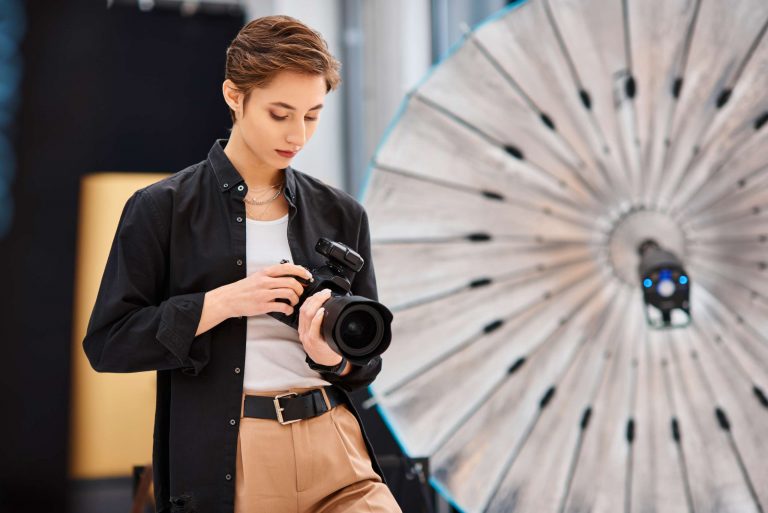

While it is nice to have long, uninterrupted sessions when we’re practicing photography, they really aren’t what makes the difference in improvement. It turns out the shorter practice sessions might actually be more valuable, at least in the beginner years, because they force a level of attention on your part. You will be much less likely to bounce from one topic to another, with none of them absorbing much of your focus, in 15 minutes’ time. The goal is to use those short sessions to improve your camera handling skills and to develop good photographic habits that you can draw upon in the future. The first step is to forget the idea of an all-out “session”, and treat what you’re doing instead as just short blocks of observation and reaction.
Short photography sessions are best when they start with a defined focus before you even touch the camera. Identify just one topic, such as light, shadow, reflections, lines, or a background’s effect on your subject matter. Once identified, it’s that topic that needs to occupy the session; otherwise, what you’re actually doing is collecting images of whatever catches your eye and isn’t practice at all. Keep it simple, using one subject or scene, such as a chair, bicycles lined up, fruit, or even just a doorway in evening light; any of these can produce more learning than the average busy city scene with a clear focus in mind. Limitations in these sessions are helpful because they eliminate distractions, allowing you to see subtle differences from frame to frame.
There is one common trap that often occurs in practice sessions that need to be avoided. Using practice sessions to find “a good photo” places a certain amount of unnecessary stress on your part and makes you rush. Use the practice session to compare small differences instead. Do one close to the subject; then another shot from just a few feet away; one with some space around the main subject, and then another frame that crops that space out. Photograph the subject with the light source behind it, and then one with it from the front. These comparisons will help develop your eye faster than taking 20 random images. If the shot doesn’t seem to be working out, leave it in the camera, rather than immediately deleting it. Look at the image and determine exactly what was wrong with it. Was the background too busy? Was the horizon slanted? Was the brightest spot in the picture distracting from the subject? Determining what it was exactly wrong is a vital part of the practice.
Short sessions are especially helpful when your camera settings aren’t complex. Most beginners find themselves paralyzed when they pick up the camera because everything seems important at the same time. For 15 minutes, keep things simple. Work with one shooting mode for a few sessions until you get a sense of how it works. Pick one technical element to think about during your session, such as exposure, and leave everything else alone. This is particularly useful if you feel you’re not getting anywhere. Sometimes it’s not that you’re not improving; it’s just that you’re trying to learn all about composition, exposure, lighting, and subject matter at the same time in 15 minutes! Keeping your tasks limited will give you much easier feedback on how you’re doing.
When all is said and done, a 15-minute photography session should follow a rough plan. First, allow yourself a few minutes just to look, hunting for an interesting subject of light or shape. Then, in the next few minutes, take a series of photos with slight variations in the subject or frame, rather than a random string of images. Spend the last few minutes reviewing your images for changes from frame to frame, determining which one is successful, and deciding why. This last step is crucial; without it, the practice is lost to your memory and not reinforced. Instead, your images act as proof that you can look back on and learn from; you begin to see the patterns of what works, and how to improve your approach tomorrow.
Short sessions help build the consistency that can make the difference in the quality of your work. You can use the kitchen table before the family is up, the stairs outside your work on a bright morning, or a quiet place you can stop at on the way home as opportunities to practice. The goal is that your looking skills are getting stronger and that your understanding of what makes a good image is becoming clearer. You’ll be surprised how much you can learn about light, framing, the horizon, and why an image works, all in 15 minutes. These small sessions are far more valuable than the occasional big practice session.